
Services
We provide service by alignment of purpose, collaboration and special attention to smart digitalization.

Technology
Advanced technology solutions tailored to optimize rig operations and enhance efficiency
ERC delivers advanced drilling technology that improves performance, safety, and sustainability. By combining drilling expertise with automation, digital systems, and analytics, we help operators increase efficiency, enable remote operations, and reduce emissions
-
Best Available Technology (BAT) studies
Digital Ecosystem and IOX Interface facilitator
Automatic Drilling Control (ADC)
Parallel operations
Robotic Drilling
Remote Drilling
Autonomous Drilling
Performance tracking studies
Total Drilling time
Productive time
Non-Productive Time
-
Establish Company’s environmental management system:
ISO5001
ISO 14064
Best available technology (BAT) emission studies
Reduce Power systems loads
Reduce Base loads
Increase Productivity
Establish rig specific Energy Management Plans
Emission Reduction Initiatives (ERI)
Historical rig/well emission performance studies
Emission Forecast studies
Environment studies
Close rig studies
Emission Baseline studies
-
Best Available Technology (BAT) studies
Digital Ecosystem and IOX Interface facilitator
Automatic Drilling Control (ADC)
Parallel operations
Robotic Drilling
Remote Drilling
Autonomous Drilling
Emission Performance studies
Emission performance baseline studies
Performance tracking studies
-
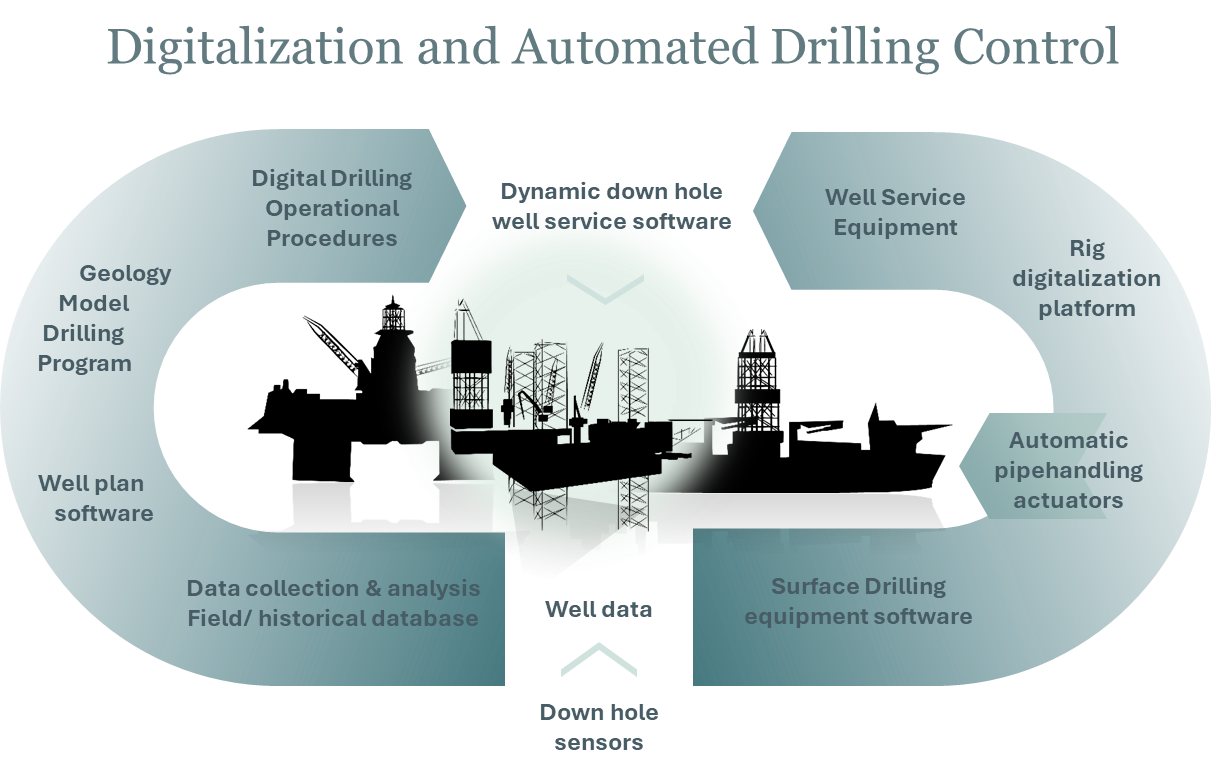
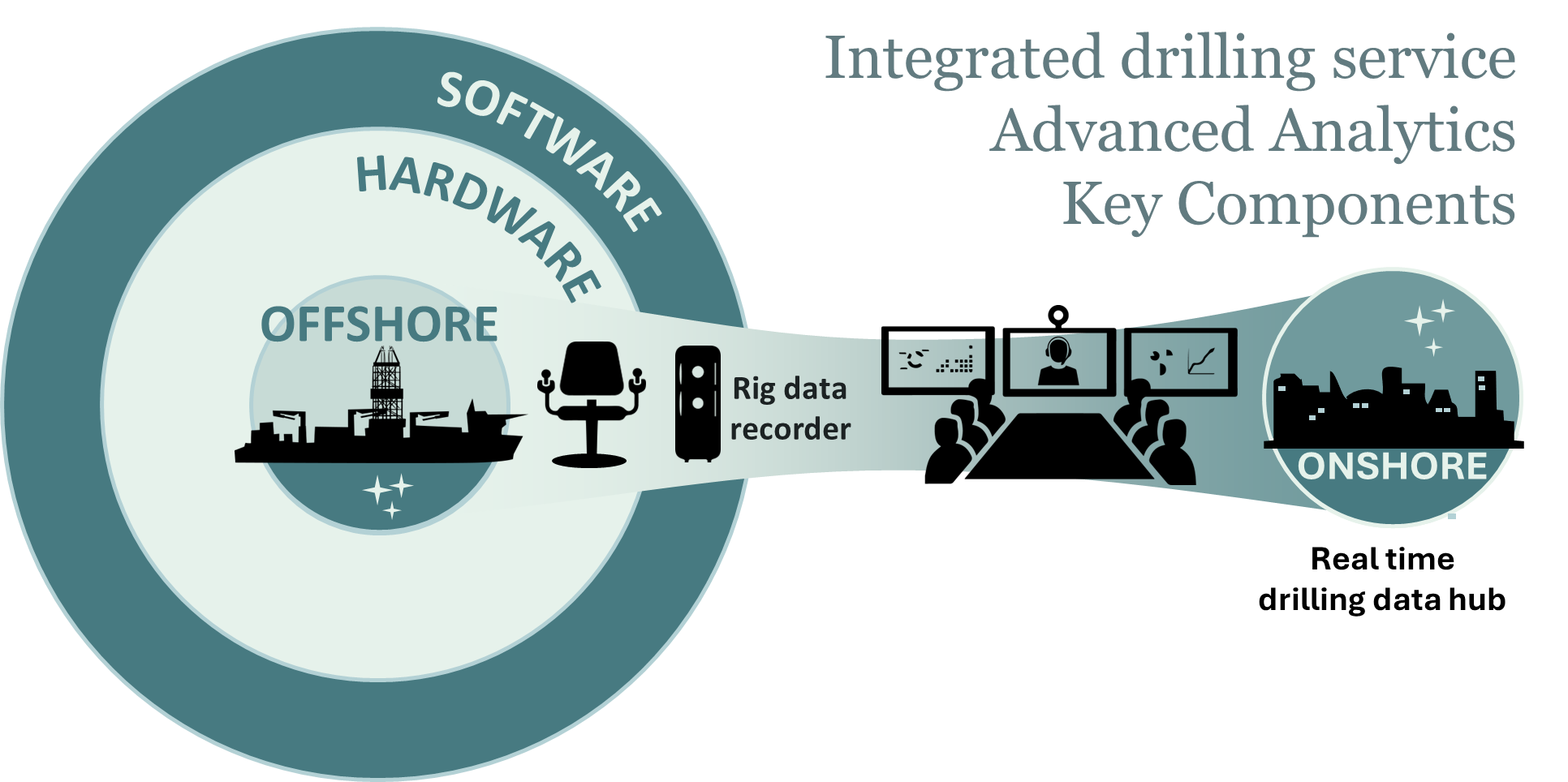
For operators and rig owners that are ready for the next step, ERC can manage and support implementation of integrated drilling service and Automatic Drilling Control (ADC) on mobile and fixed platforms.
Manage implementation of digital infrastructure on the rigs site.Manage integration of service companies' equipment into the rig’s digital infrastructure.
Coordinate integration of service companies’ control systems into the rig drilling control system
Coordinate implementation of advanced analytics and learning together with drilling company, drilling control supplier and service companies.
Coordinate and manage mobilization and operational support of ADC-operations.
-
Analyse the drilling equipment and working methods that are used on the rig. Work out solutions for automation that can improve the efficiency and the safety of the rig.
Select technology, equipment and software that will increase the uptime and safe operation of the rig, which is not outdated and has a future perspective.
Perform a calculated analysis of how the new technology will improve performance and security. Evaluate whether the chosen technology is good enough or whether you must choose another solution.
Agree with technology providers on the type of interface and communication platform to be used, for internal and external communication.
Be an overall link between the various technology companies to make sure that the collaborative solution will be optimal. This is to ensure that the technology companies talk to each other and that potential problems are discovered and taken care of.
Make sure that an Internal Acceptance Test (IAT) and a Factory Acceptance Test (FAT) are performed. Also make sure that all open punch are closed before equipment & software are delivered from the vendor(s).
Follow up installation and commissioning on the rig and ensure that the suppliers deliver the technology as intended, and make sure required documentations are updated and valid for use.
Verify that operators receive the necessary training and understanding of the new technology.
Perform a verification that the new technology delivers improvements and safety as intended
Use the trend logging system for the control system, to be able to detect any errors and to be able to make further improvements
Comprehensive concept and engineering solutions
Concept & engineering
ERC provides comprehensive, end-to-end concept and engineering development for drilling rigs and offshore production units. Our approach covers all Rig/FPSO disciplines and every phase of the project lifecycle. From early concept to detailed design, we convert operational requirements into practical, compliant, and automation-ready solutions that reduce risk, enhance performance, and create long-term value across the asset lifecycle.
-
Develop SPS / Rig Mobilization Scope of Work (SOW)
Creation of a complete and structured SOW tailored to project objectives and rig-specific requirements.
Identify Gaps Against Class, Flag, and Authority Requirements
Execution of comprehensive gap assessments and development of SOW elements addressing compliance with applicable Class, Flag State, and regulatory authority standards.
Identify Gaps Against NCS Acknowledgement of Compliance (AoC) Requirements
Detailed evaluation of NCS AoC requirements, followed by development of corresponding scopes to ensure full regulatory alignment.
Identify Gaps Against UK Safety Case Requirements
Thorough assessment of UK Safety Case requirements and preparation of aligned SOW elements to secure compliance within the UK regulatory regime.
Develop Client Provided Items (CPI) Scope of Work
Definition and documentation of CPI responsibilities, interfaces, and delivery expectations to ensure clarity across all stakeholders.
Establish Project Delivery Acceptance Criteria
Development of measurable and verifiable acceptance criteria supporting consistent, compliant project execution and handover.
Develop Commissioning and Acceptance Test Procedures
Preparation of structured commissioning plans and acceptance test procedures to confirm system readiness, functionality, and regulatory compliance.
-
Screening & Feasibility studies
Concept Design studies
Front End Engineering Design (FEED) studies
Reactivation FEED/Detail engineering studies
3’rd party project status and review reports
-
Industry requirements
Authority requirements, ( NCS, Canada, Brazil etc.)
Flag state requirements, (Canada, MNA, Bahamas etc.)
Class Requirements, (DNVGL, ABS etc.)
Operator specific requirements
Activity related requirements
ESG requirements
-
Advisory Services, i.e. Studies of regional regulations impact on the business case or design.
Compliance studies
PSA
Norsok
Class – DNV
NMA
Brazillian compliance: Electrical NR10, Machinery NR12, pressurized systems NR13, Helideck NR27
-
Risk and Barrier management
Technical safety
Hull and structures
Pressurized systems / process plant
Life extension studies
Lifting equipment
RBI program – EX and HP/LP pipe
-
Material handling studies
DROPS philosophies and guidelines
Safe working site follow ups
DROPS follow up of package vendors and installation
DROPS training
Pre-Drops / Make Safe Campaign

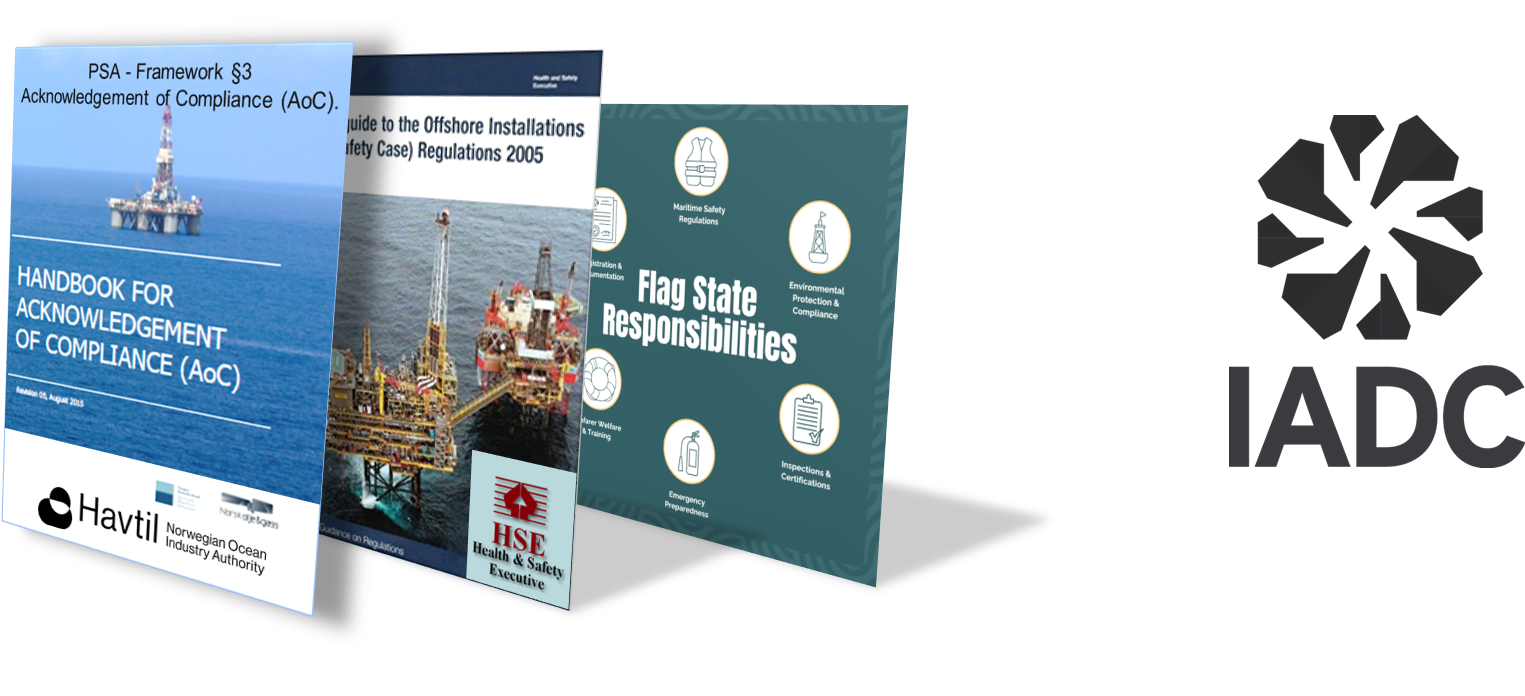
NCS AOC and UK Safety case process
End-to-end project management
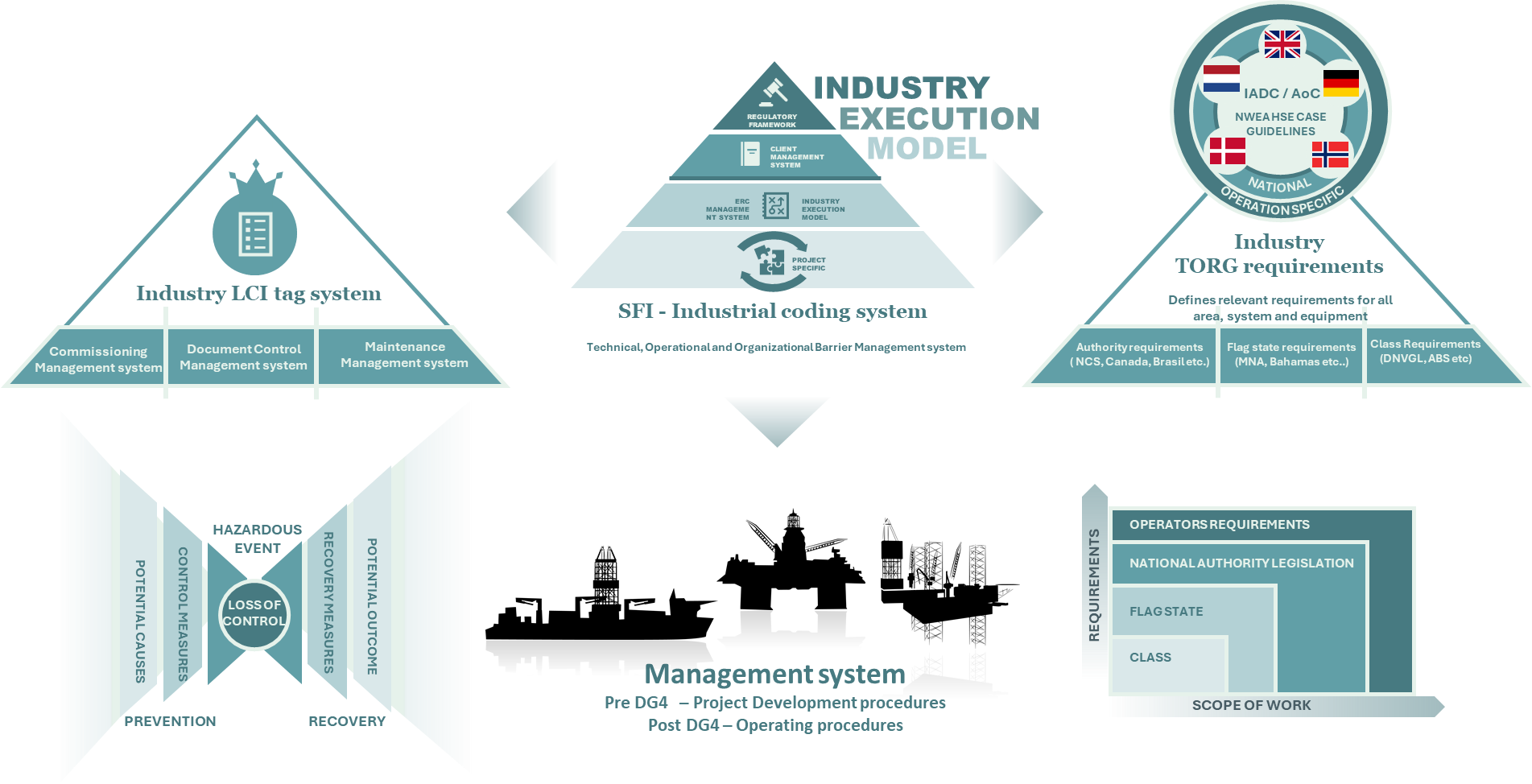
Utilizing the industry delivery model and regulatory compliance framework for offshore projects and operations.
Project management
ERC provides project management services for complex rig projects, covering M&A due diligence, SPS, and rig mobilization. With deep expertise in cost, risk, and regulatory management, we act as the owner’s representative to deliver safe, efficient, and predictable outcomes from day one.
-
The industry model for MODU and FPSO lease contracts is increasingly preferred because it offers a more efficient, scalable, and cost-effective way to operate offshore assets.
By aligning Authority, Flag-state, Class, and company activity requirements within one integrated framework, it reduces duplication, shortens project timelines, and lowers total lifecycle cost.
Compared with the traditional operator-led model, it creates stronger execution continuity, clearer accountability, and a leaner path from project delivery to safe operations.
-
Company’s main responsibilities:
Managing the yard during detailed engineering and execution phases under Industry EPCIC (Engineering, Procurement, Construction, Installation and Commissioning) delivery models.
Supports the development of industry-aligned project strategies, ensuring compliance with class, flag state and regulatory authority requirements.
Manage contract strategies and project risk, monitor class, statutory and regulatory documentation status.
Ensure alignment with operator and client acceptance requirements.
Contractual and technical specification compliance throughout the project lifecycle.
Supporting safe, efficient and predictable project execution.
-
Yard contract
Technical Building Specification.
Yard is FEED/Design responsible.
Yard is responsible for all MC & Completion activities
Defined Accept criteria’s
Defined commissioning program
Defined TQ/VO/Punch management system
High tail end delivery payment schedule
High liquidated damage
Company takes ownership at time of delivery from yard
Company payment is guaranteed with performance bond
Bank guaranty of contract price through 2 years warranty
-
DG1-DG2
Prequalify yards and operational management companies.
Define prequalified FEED/Detail engineering companies
Prequalify main equipment subcontractors (MEL)
Approved Engineering alliance, MEL and TORG requirements.
DG2-DG3
Ownership of SOW (FEED&TBS)
EPCIC turn-key delivery responsibility
Commissioning management system
Document Control, LCI and Maintenance Management system
Authority-, Flag- and DNVGL Class requirements and notations
Mature FEED & TBS
DG2-DG3
EPCIC project following up strategy
DG4-Operation
Asset operational management strategy
-
Rig intake Project Service reports
Phase 1, pre-hire check
Phase 2, full condition survey
Phase 3, full acceptance test
Rig intake reports:
Rig performance benchmarking reports
Well performance benchmarking reports
Contract Strategy
Rig Inspection, Verifications and Acceptance reports
Commissioning procedures
Acceptance Test Procedures.
System Integration Test Procedures
-
Providing senior QRM/HSE service, managing project and operational risk activities.
-
ERC helps owners, boards, and investors understand risk, value, and opportunity—before critical decisions are made. We conduct comprehensive clarity evaluations before a transaction — when insight matters.
Condition gapping surveys of Mobile Units in accordance with AOC/HSE regulations
Technical Due Diligence (TDR) reports.
Rig-specific and/or fleet insights, along with deep rig status reviews
Ranking/performance analyses
Operational services
Operational Service
ERC delivers Marine, Drilling, Subsea, and Well Control operational services for offshore assets. We support the planning and execution of complex operations, ensuring safe, efficient, and fully compliant performance across the asset lifecycle. By combining hands-on operational expertise with rigorous engineering discipline, ERC helps clients reduce risk, meet regulatory requirements, and achieve reliable offshore execution.
-
Having in-depth knowledge of the capabilities and limitations of most rig designs in the market
Having extensive experience from establishing and managing complex contracts and charter parties
Having a business model focusing on cost-efficient project execution for clients and partners
-
ERC offers marine operations services using business models catered to suit the individual client’s needs, ranging between:
Specialist services for individual work packages in projects, provided by one ERC personnel integrated in clients’ project teams
A to Z management of the marine operation, provided by a team of ERC personnel under an engineering, procurement and management assistance (EPMA) framework
The key element in ERC’s marine operations management business model is identifying our clients’ best execution models.
-
Marine engineering and –analyses services offered by ERC and strategic partners include:
Motion response analyses
Mooring analyses
Site-specific analyses for jack-up rigs
Riser analyses
Lifting analyses
Operability analyses
Operational procedures for marine operations
-
Marine advisory services offered by ERC and strategic partners include:
Third party verification
Incident investigations
Technical- and commercial procurement assistance, including development of combined technical- and commercial evaluation models
Marine assurance including vessel inspections and audits of vessel management
Cold eyes review
Development of go / no-go criteria for marine operations, using combined technical- and commercial evaluation models
-
Drilling operations planning and execution support (onshore and offshore)
Owner’s drilling representative (Drilling Supervisor / Company Man support)
Well delivery and integrated drilling operations support
Drilling performance optimization and NPT reduction initiatives
Rig intake, start-up, and operational readiness programs
Operational procedures, manuals, and barrier management documentation
Risk assessments, HAZID / HAZOP / WellOps risk workshops
Rig-specific drilling philosophy and operational envelope definition
Managed pressure drilling (MPD) operational support and readiness
Well control preparedness, drills, and verification
Contractor and service company interface management
Operational assurance, audits, and compliance verification
Real-time drilling operations support and remote monitoring readiness
Lessons learned capture and continuous improvement programs
-
BOP and Well control systems support
Subsea operations planning and execution support (onshore and offshore)
Owner’s subsea representative / subsea engineer support
Subsea Production System (SPS) operational readiness and start-up support
Installation, testing, commissioning, and handover support for subsea systems
Subsea well intervention and workover planning support
Subsea equipment operability, maintainability, and reliability assessments
Interface management between drilling, marine, and subsea contractors
Subsea operational procedures, philosophies, and contingency planning
Risk assessments, HAZID / HAZOP / SIMOPS for subsea operations
Subsea barrier management and verification
Vessel and rig selection support for subsea campaigns
Subsea operational assurance, audits, and compliance verification
Lessons learned capture and continuous improvement programs for subsea operations
Advisory services
M&A and transaction service
We provide board- and investor-level advisory on joint ventures, JVs, M&A due diligence and strategic transactions, including acting as a strategic advisor in the negotiation and execution of contracts with E&P companies
-
Clarity before a transaction — when insight matters:
Our services include:
M&A advisory
Buy-side and sell-side due diligence
Strategic transaction reviews
Board- and owner-level decision support
Technical Due Diligence report
Software-based rig ranking/performance analysis report
M&A reports
Technical Due Diligence Reports
Executive Summary
Asset Description and Status
Regulatory, Class, and Certification
Structural and Marine Integrity
Drilling, Well Control, and Safety-Critical Systems
Power, Electrical, and Control Systems
Maintenance, Reliability, and Integrity Management
Capital Expenditure and Cash Risk
Market Readiness and Value Protection
Risk Assessment
Documents and Acceptance requirements
Conclusions and Recommendations
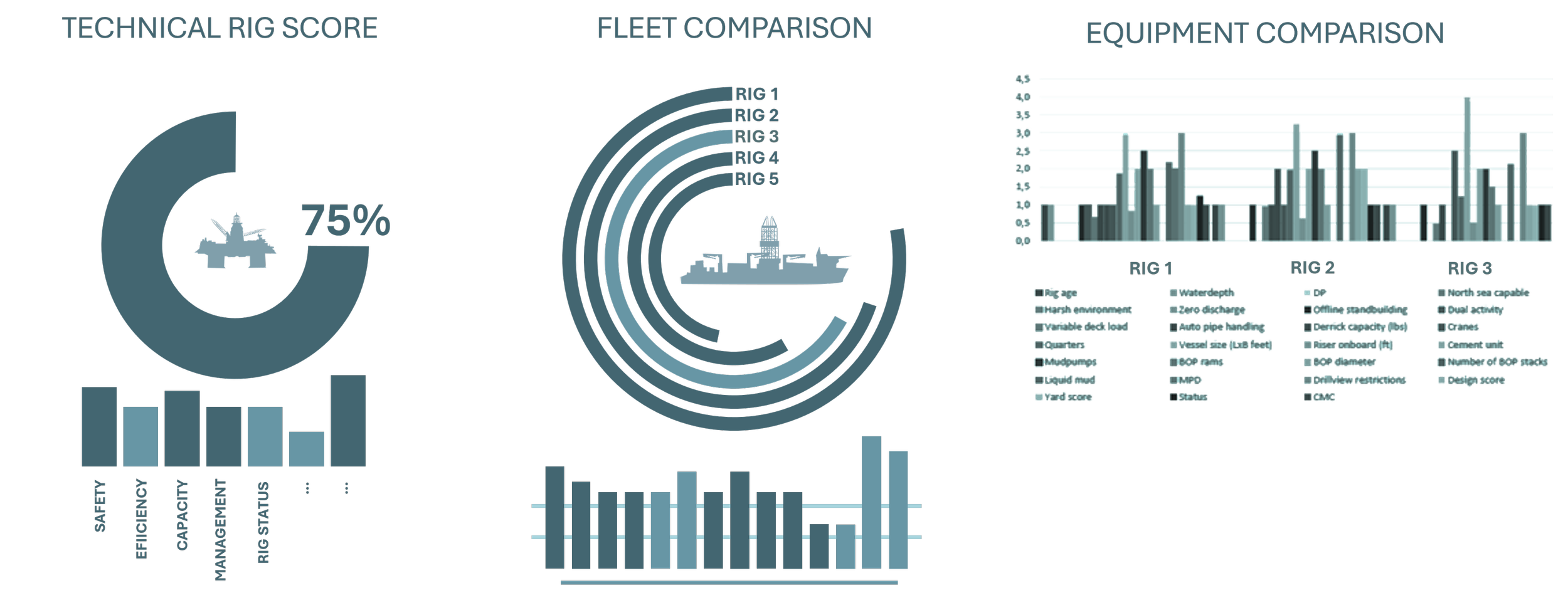
Software-based rig ranking/performance analysis (RigCalc) report:
Technical rig score
Fleet comparison
Equipment comparison
-
ERC provides independent expert witness and technical advisory services to support litigation, arbitration, and dispute resolution, particularly within Oil & Gas, energy, and complex industrial projects.
Our services include:
Expert Witness Services
Independent expert opinions, preparation of expert reports, and oral testimony in court and arbitration proceedings, including support during cross-examination.Technical and Commercial Dispute Advisory
Analysis of technical failures, delays, cost overruns, performance issues, and compliance with contracts, regulations, and industry standards.M&A and Transaction-Related Disputes
Technical assessment of representations and warranties, post-closing claims, earn-out disputes, and expert determination processes.Quantum and Damages Support (Technical Input)
Technical basis for loss and damage assessments, including CAPEX/OPEX analysis, asset valuation, remaining life, and performance impact.Strategic Support to Legal Teams
Technical support to counsel, review of opposing expert reports, development of technical arguments, and preparation for hearings and mediation.Independent Reviews and Second Opinions
Peer reviews of expert reports and independent technical assessments to support settlement discussions and dispute resolution.
-
Ensure that Rig technical specification is developed in compliance with E&P Company’s expectations.
Define the Rig upgrade SOW and execution plan
Develop Rig-specific assessment and fleet comparison
Tailor-make the rig presentation to the E&P company’s well program
Develop a strategy for negotiations and execution of rig service contracts with E&P companies
-
Executive Summary
Introduction
Unit Background and Current Status
Assessment Basis and Methodology
Current Condition Overview
Gap Assessment Summary
NCS Readiness Assessment
Recommended Upgrade Scope
Execution, Schedule, and Cost Considerations
Conclusions and Recommendations
Courses
Professional Training Programmes introduce conceptual knowledge, including industry and market fundamentals for personnel involved in Drilling Rigs and FPSOs, well operations, industry delivery projects, and AOC regulatory compliance frameworks.
Why Choose Our Courses?
Expert-led training with real-world applications
Hands-on experience at industry-leading facilities
Comprehensive coverage of technical, regulatory, and operational aspects
Ideal for professionals and graduates seeking to enhance their expertise in Drilling rigs, Well operations, Industry delivery model, and Regulatory compliance framework

Lecturer
Lead instructor for more than 17 years.
He brings extensive industry experience in M&A due diligence, engineering, project management, SPS/rig mobilisation, FPSO projects, drilling technology, and operational services.
Equinor has been ERC’s largest and most active long-term course customer, supporting continuous development and practical industry relevance.
Booking
Book courses at ERC’s training facilities — or contact ERC to arrange dedicated in-house course module sessions at your company’s own premises.
-
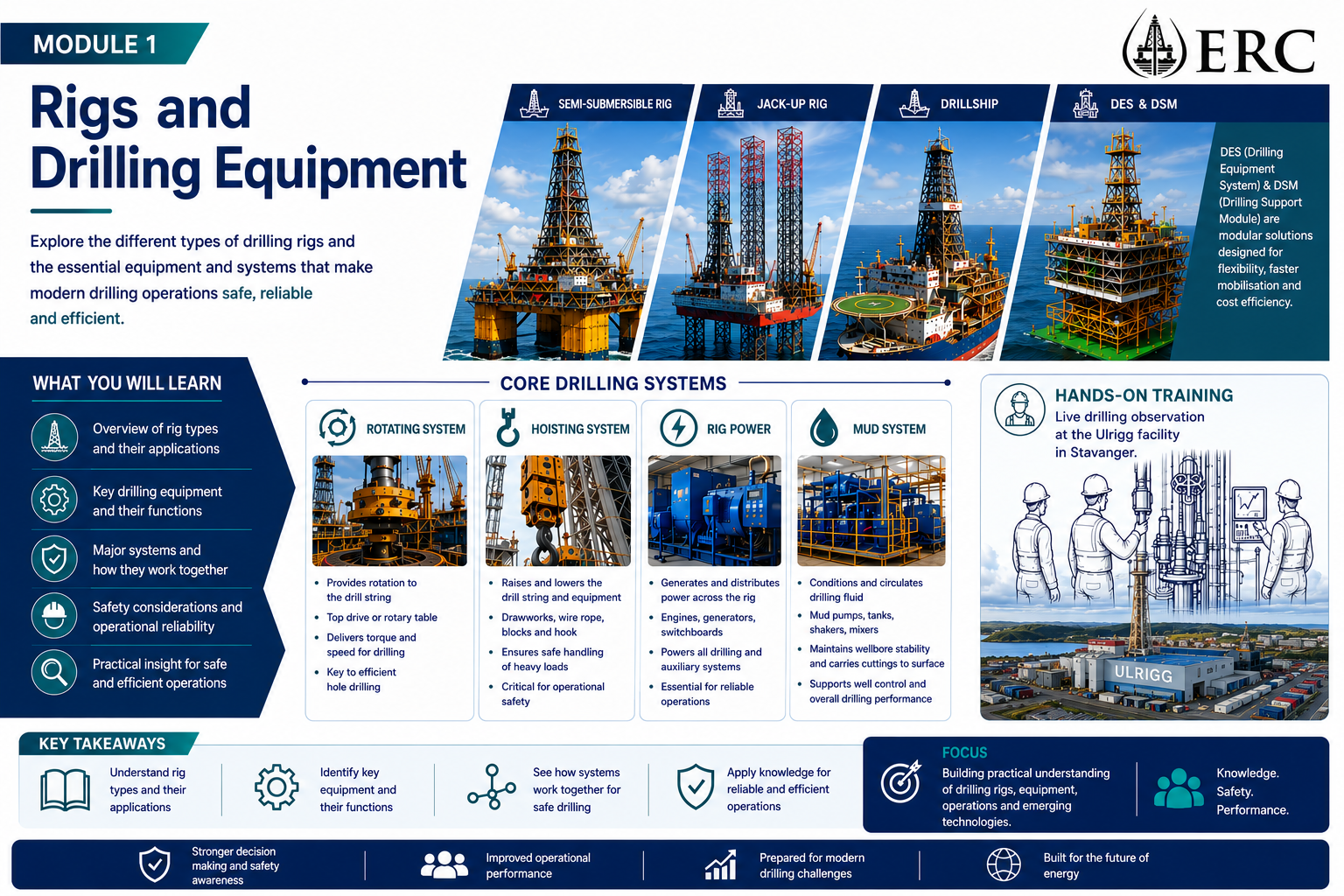
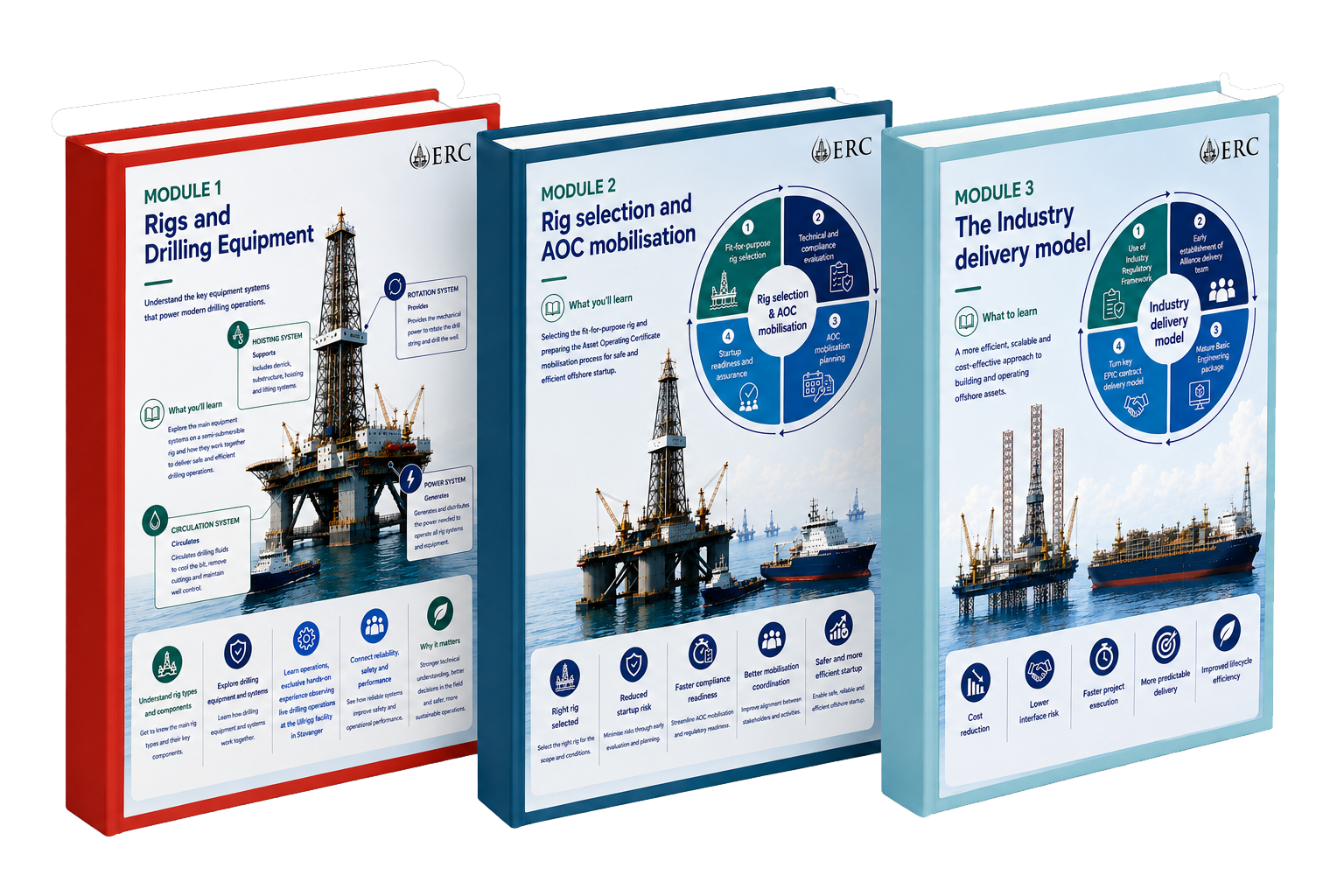
Module 1 : RIGS AND DRILLING EQUIPMENT
Duration: 3 days
Overview:
Modern offshore drilling operations require a strong understanding of drilling systems, rig technologies, well control, digitalization, safety barriers, and operational efficiency.This course provides participants with a practical and industry-focused introduction to modern drilling rigs and offshore drilling equipment and systems used for exploration, production drilling, intervention, and deepwater operations. Participants will gain valuable insight into how drilling systems are designed, operated, maintained, and integrated to support safe, efficient, and reliable offshore operations.
The course combines technical fundamentals, operational experience, digital drilling technologies, well control philosophy, maintenance strategies, and real offshore case studies to help participants better understand modern rig operations across the full offshore drilling lifecycle.
Course Objectives:
Gain a comprehensive understanding of modern offshore drilling rigs and drilling equipment used in global offshore operations.Learn how drilling systems, pipe handling systems, mud systems, well control systems, and marine systems work together during drilling operations.
Understand the differences between jack-ups, semisubmersibles, drillships, intervention units, and Arctic drilling concepts.
Explore modern drilling technologies including automated pipe handling, multi-machine control, and automatic drilling control (ADC).
Learn how digitalization, real-time data, wired drill pipe, and remote operations are transforming offshore drilling performance.
Improve your understanding of well control philosophy, subsea BOP systems, capping stacks, MPD systems, and drilling safety barriers.
Gain practical insight into drilling operations including exploration drilling, production drilling, intervention, workover, HPHT, and deepwater operations.
Learn how harsh environment and deepwater conditions influence rig design, motion compensation, positioning systems, and marine riser operations.
Understand modern maintenance philosophies, condition-based monitoring, and digitalized maintenance systems for offshore drilling equipment.
Learn from real offshore industry experience, operational case studies, and lessons learned from modern offshore drilling projects worldwide.
Target Audience:
New hires and graduates
Rig Engineers, Drilling Engineers, HSE professionals, Contract & Procurement personnel involved in Drilling & Well activities
-
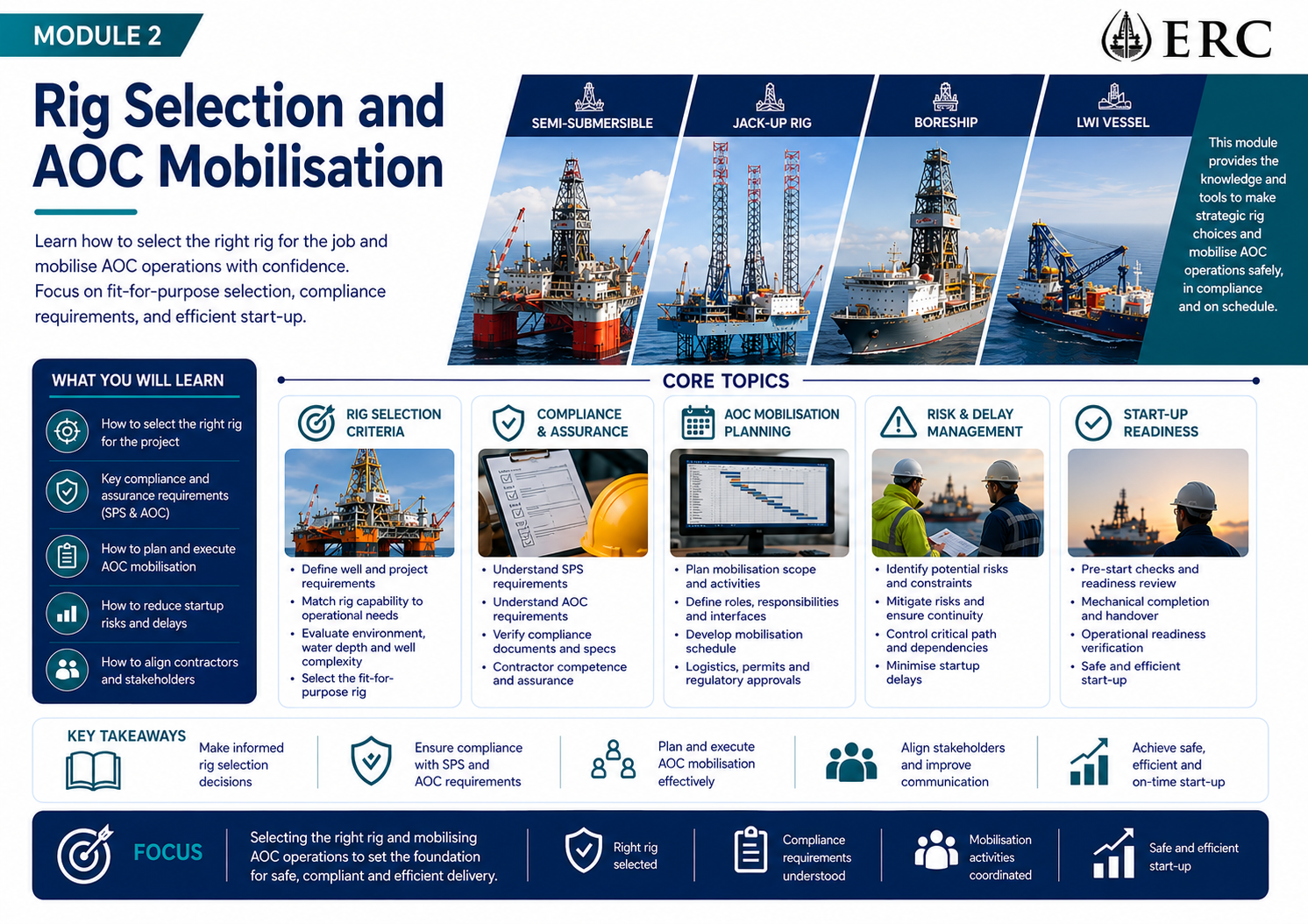
Module 2: RIG SELECTION AND AOC MOBILISATION PROCESS
Duration: 2 days
Overview:
Selecting the right drilling rig and successfully mobilising it for operations on the Norwegian Continental Shelf (NCS) is one of the most critical factors for safe, efficient, and cost-effective offshore operations.This course provides participants with practical industry insight into the complete rig selection, tender evaluation, and Acknowledgement of Compliance (AOC) mobilisation process used for modern offshore drilling projects. Participants will gain a clear understanding of how technical, operational, regulatory, commercial, and HSE requirements are evaluated when selecting rigs for demanding offshore operations.
The course combines industry best practices, regulatory compliance principles, operational experience, and real offshore case studies to help participants improve project execution, reduce operational risk, strengthen compliance, and optimize drilling performance throughout the mobilisation and operational lifecycle
Course Objectives:
Participants will be introduced to rig marked fundamentals and gain strategic insights into rig selection and compliance requirements, focusing on:Learn how to select the right drilling rig for safe, efficient, and cost-effective offshore operations.
Gain practical understanding of the full AOC mobilisation process for operations on the Norwegian Continental Shelf (NCS).
Understand how operators evaluate technical, operational, commercial, and HSE risks during rig tendering and procurement.
Learn how regulatory requirements from Havtil, Class, Flag State, and NORSOK are integrated into rig acceptance processes.
Improve your knowledge of rig capability assessments for HPHT, deepwater, harsh environment, and intervention operations.
Understand how modern operators benchmark rig efficiency, operational performance, fuel consumption, and lifecycle cost.
Learn how rig design, safety systems, positioning systems, and well control philosophy impact operational risk exposure.
Gain insight into industry best practices for contract evaluation, mobilisation planning, commissioning, and operational readiness.
Explore how digital compliance systems, lifecycle information management, and performance benchmarking improve rig mobilisation efficiency.
Learn from real offshore industry examples, operational experience, and lessons learned from major offshore incidents and projects.
Target Audience:
New hires and graduates
Rig Engineers, Drilling Engineers, HSE professionals and Contract & Procurement personnel directly involved in strategic drilling and well activities
-
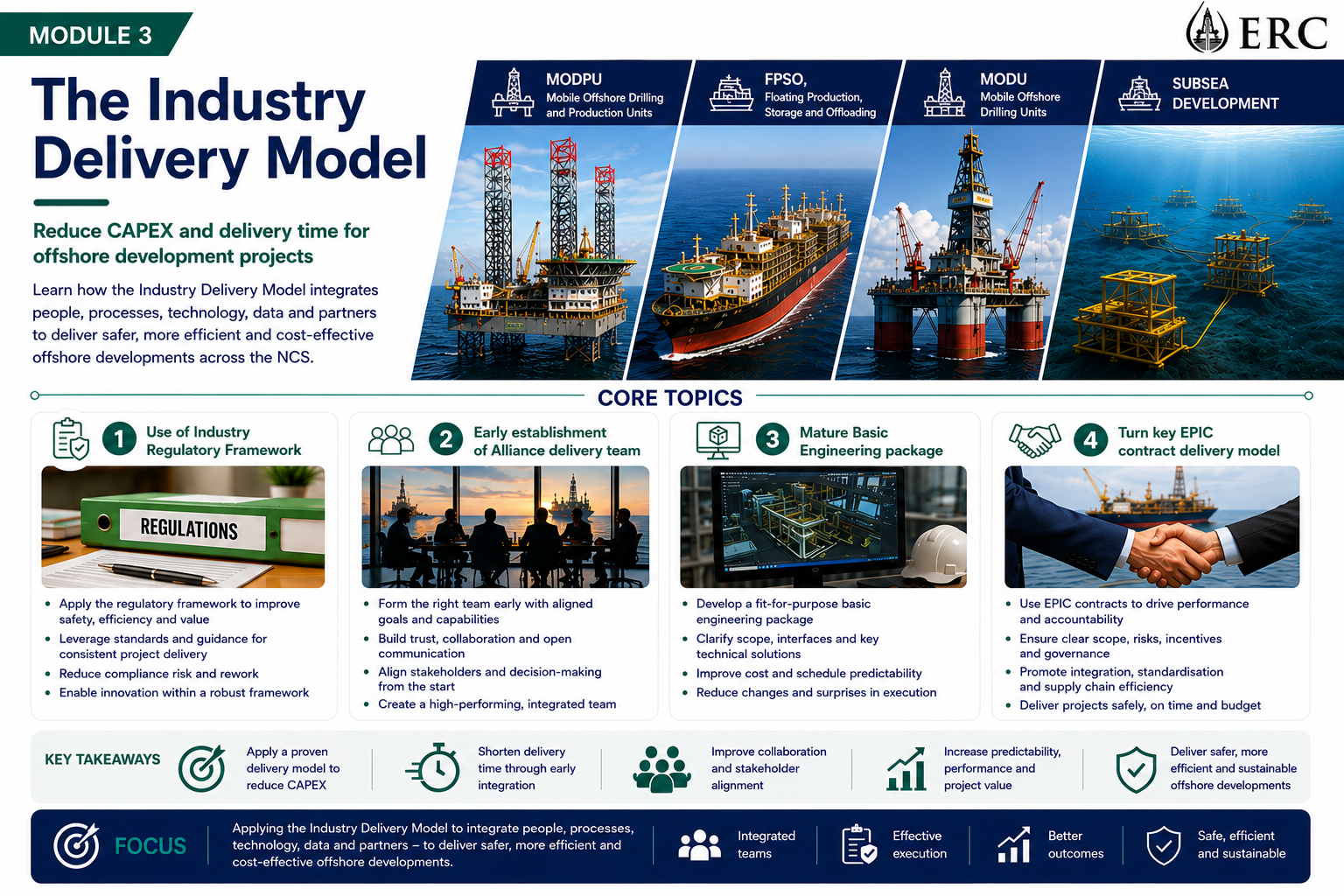
Module 3: THE INDUSTRY DELIVERY MODEL
Duration: 1 day
Overview:
The offshore industry is undergoing major changes driven by increasing cost pressure, stricter regulatory requirements, and the need for faster and more efficient project execution.This course provides practical insight into how the Industry Delivery Model can improve offshore project performance through integrated industry alliance execution, stronger compliance management, standardisation, and digital lifecycle systems.
Participants will gain a clear understanding of how modern delivery models can reduce CAPEX, shorten mobilisation and delivery timelines, improve interface management, strengthen regulatory compliance on the Norwegian Continental Shelf, and create safer and more efficient MODU, FPSO, and subsea operations.
Course Objectives:
Participants will learn about Industry regulatory safety standards and integrated alliance project execution strategies:Lower CAPEX through integrated alliance execution models
Shorter project delivery timelines and faster offshore mobilisation
Stronger regulatory compliance for safe NCS operations
Reduced interface risk through integrated alliance team delivery model
Improved scope control and fewer late engineering changes
Better lifecycle cost control from design to operations
Standardised digital management systems for efficient execution
Earlier vendor integration and stronger project predictability
Improved operational readiness and safer offshore start-up
More efficient MODU, FPSO, and subsea project execution on the Norwegian Continental Shelf
Learn from real offshore industry project examples, and operational experience.
Target Audience:
New hires and graduates
Project Managers , Engineers, Procurement and Contract Personnel